
Hay Fever & Seasonal Allergies: A Herbal and Nutritional Approach
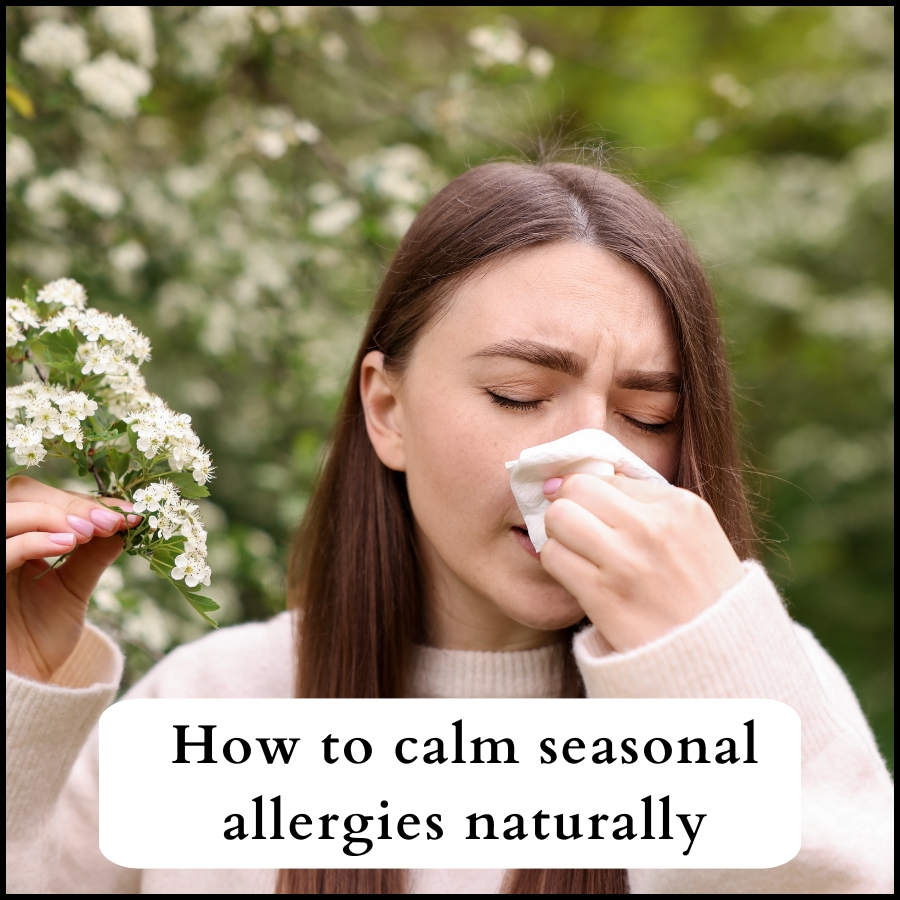
Hay fever and other seasonal allergies are incredibly common, yet they can feel deeply unfair to those affected. At their core, allergies are not caused by a weak immune system, but by inappropriate immune behaviour. The immune system is doing its job a little too enthusiastically, responding to harmless substances such as pollen, dust mites, or animal dander as though they were a genuine threat. This leads to the release of inflammatory chemicals, particularly histamine, which in turn causes the familiar symptoms of sneezing, itchy eyes, nasal congestion, headaches and fatigue.
A holistic approach to hay fever and allergic rhinitis looks not just at symptom suppression, but at supporting immune balance, calming inflammation and strengthening overall resilience. Both diet and herbal medicine can play a valuable role in helping the body respond more appropriately during allergy season.
How Diet Can Help with Hay Fever
Vitamin C – a natural antihistamine
Vitamin C has a long history of use in allergy support and is one of the better‑researched nutrients in this area. It appears to help by reducing histamine levels and supporting the resolution of inflammation, effectively acting as a gentle, natural antihistamine. Diets rich in vitamin C are associated with lower circulating histamine levels, and therapeutic intakes may help reduce the severity of allergy symptoms.
Good food sources include citrus fruits, berries, kiwis, peppers, broccoli and leafy green vegetables. For some people, additional supplementation during allergy season can also be helpful.
Vitamin D – immune regulation and tolerance
Vitamin D plays an important role in immune regulation, helping the immune system respond appropriately rather than excessively. Low vitamin D levels are common in people with allergic conditions, and supplementation has been shown to help reduce symptoms in allergic rhinitis for some individuals.
In the UK, most people do not obtain sufficient vitamin D from diet alone, as only very small amounts are naturally present in food. Our latitude, long winters and predominantly indoor lifestyles also mean that sun exposure is often insufficient to maintain optimal vitamin D levels. As a result, supplementation is often advisable.
For most adults, 1,000 IU (25 micrograms) of vitamin D3 per day is a safe and sensible dose to support immune health. Vitamin D3 should be taken with food, ideally containing some fat, to aid absorption.
General dietary patterns
A diet rich in polyphenols, particularly proanthocyanidins (a subgroup of flavonoids), can help support vascular integrity by reducing capillary permeability (“leakiness”) and stabilising connective tissue structures. This is particularly relevant in allergic conditions, where increased capillary fragility in the nasal mucosa can contribute to symptoms such as congestion, runny nose, and histamine-mediated inflammation.
Proanthocyanidins also have mast-cell stabilising and anti-inflammatory properties, which may help reduce the exaggerated immune response seen in allergic rhinitis and other hypersensitivity reactions.
Good dietary sources include:
- Berries (especially blackcurrants, blueberries, cranberries, and blackberries)
- Red grapes and dark grape skin
- Cocoa and dark chocolate (high cocoa content)
- Green tea and black tea
- Apples (the skin of red apples)
Emphasis should be placed on a daily intake of varied polyphenol-rich plant foods, ideally from whole food sources, to support long-term modulation of inflammatory and allergic responses.
Reducing the intake of ultra‑processed foods, excess sugar and alcohol can also be helpful, as these can promote inflammation and place additional strain on immune pathways. For some people, identifying and temporarily reducing foods that increase mucus production or digestive irritation can further ease hay fever symptoms.
Herbal Medicines for Hay Fever
Herbal medicine has a long tradition of supporting seasonal allergies, often focusing on cooling inflammation, soothing irritated tissues and gently modulating immune responses.
Nettle leaf (Urtica dioica)
Nettle leaf is one of the best‑known herbs for hay fever. Traditionally described as a “natural antihistamine”, nettle appears to inhibit histamine release and dampen inflammatory pathways involved in allergic reactions. It is also mineral‑rich and can provide gentle nutritional support during the pollen season.
Elderflower (Sambucus nigra)
Elderflower is a gentle but effective herb with a long history of use for upper respiratory congestion, catarrh and seasonal irritation. It has mild anti‑inflammatory and soothing properties and supports the movement of fluids through congested tissues, making it particularly useful where hay fever is associated with sinus pressure or heaviness.
Chamomile (Matricaria chamomilla)
Chamomile is widely known for its calming effect on the nervous system and improving digestive health, but it also has anti‑inflammatory and mild anti‑allergic actions. It can be especially helpful where hay fever symptoms are accompanied by poor sleep, agitation, or digestive upset. As with all herbs, caution is advised for anyone with known allergies to plants in the daisy family.
Herbal Teas, Tinctures & Personalised Support
Alongside my work of seeing patients for one‑to‑one consultations and creating bespoke treatment plans, I’ve made a small selection of high‑quality organic herbal teas and tinctures available online. This allows a wider audience to access carefully chosen remedies with medicinal properties, even if they’re not currently working with me individually.
Herbal medicine works best when it is used regularly and in a form that suits the individual. Teas and tinctures can be used alone or together, depending on personal preference and symptom severity.
Seasonal Balance – loose organic herbal tea
I’ve created a loose‑leaf organic tea blend called Seasonal Balance, specifically designed for people with hay fever and seasonal allergies. It contains:
- Elderflowers
- Chamomile flowers
- Nettle leaves
- Peppermint
This refreshing blend is suitable for daily use throughout the pollen season. It is designed to soothe the upper respiratory tract, calm histamine‑driven reactions and feel both supportive and enjoyable to drink.
Single‑herb organic loose teas are also available for those who prefer a more targeted approach, including nettle leaf, chamomile and elderflower.
AllerEase – herbal tincture to soothe seasonal allergies
For those who don’t enjoy herbal teas, or who require stronger, more targeted support, I’ve created a tincture formula called AllerEase.
This blend combines:
- Elderflower
- Ribwort plantain
- Nettle leaf
- Ground ivy
- Ephedra
AllerEase is designed to calm seasonal allergic responses, soothe irritated airways and reduce excess mucus production. It is suitable for adults and young people over the age of 16 years.
This tincture can be taken on its own, or alongside the Seasonal Balance tea for a more potent, layered approach, particularly during peak pollen periods.
A Personalised Approach
Hay fever is rarely just “about pollen”. Stress levels, digestive health, nutrient status, sleep and overall immune resilience all influence how the body responds. Herbal medicine and nutritional therapy are most effective when tailored to the individual.
If you’d like more personalised support, you’re welcome to book a free discovery call with me to explore whether working together feels like a good fit. Some people then choose to go on to a full initial one‑hour consultation, where I take a detailed health history and create a fully bespoke programme tailored to your needs.


